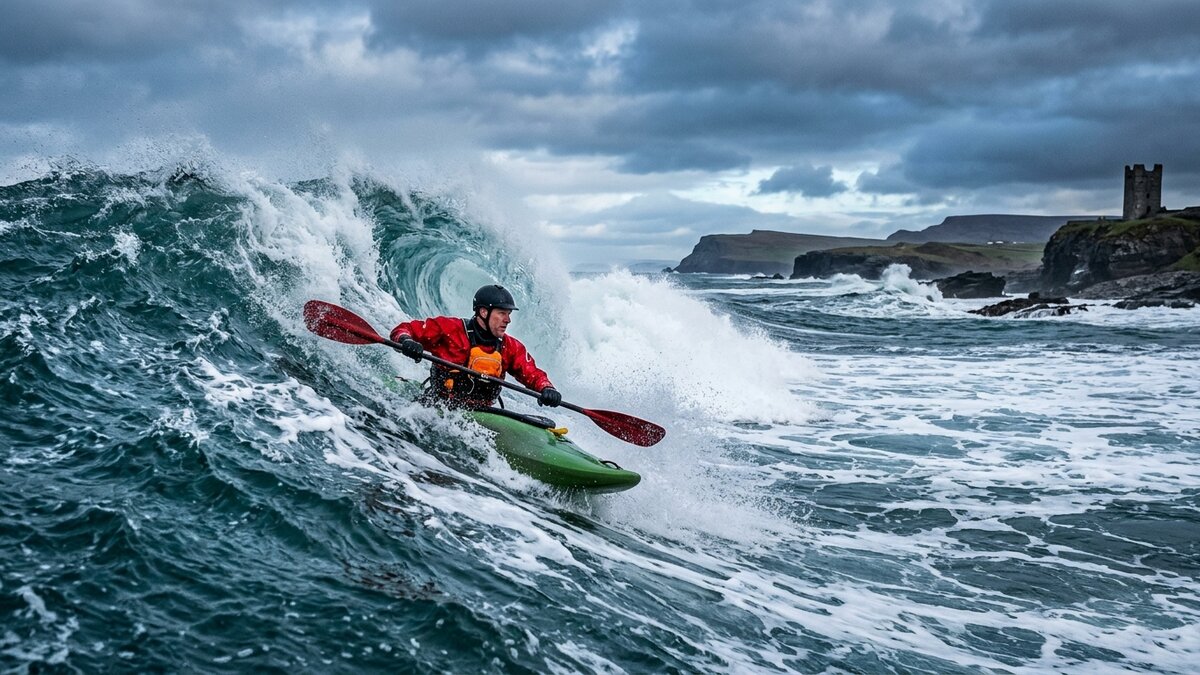
Kayaking in Sligo offers two extreme ends of the paddling spectrum. You can glide across the serene, ancient flatwater of Lough Gill in the morning, and tackle the world-class Atlantic surf breaks at Easky in the afternoon. This contrast makes County Sligo one of the most versatile paddling destinations in Ireland.
Why Kayak in Sligo?
Sligo is a county defined by water. Bordered by the wild Atlantic Ocean to the west and dotted with deep, sheltered lakes inland, it provides a unique dual-experience for kayakers. Most coastal counties force you to choose between open sea touring or inland rivers. Sligo allows you to experience intense surf and meditative lake paddling within a thirty-minute drive of each other.
Two Different Worlds
At Easky (often spelled Easkey), the Atlantic swells hit the coastal reef to create fast, hollow waves. This attracts the European waveski and surf kayak community. The energy is high, the water is turbulent, and the skill ceiling is immense.
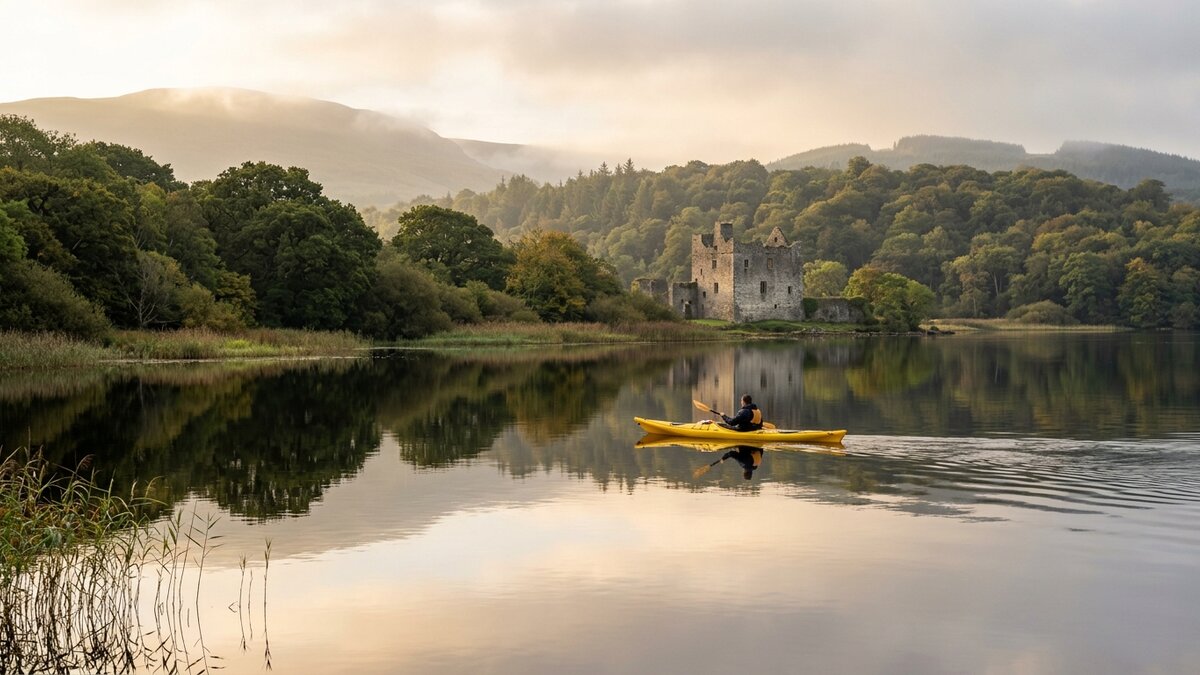
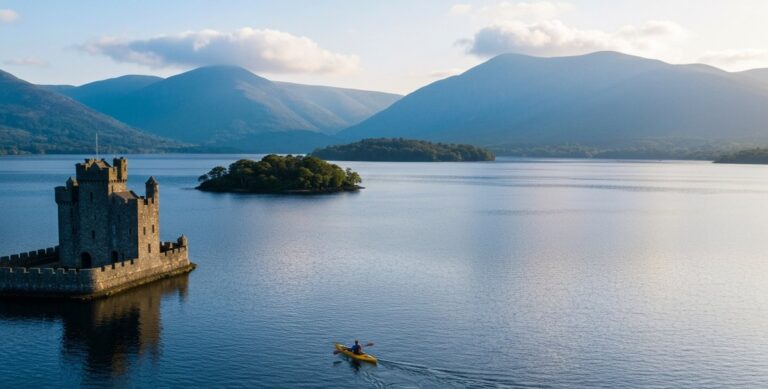
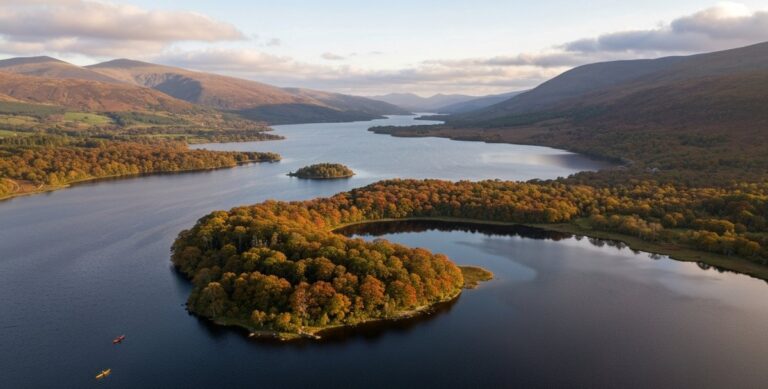
Conversely, inland lakes like Lough Gill and Glencar Lough offer a sanctuary. These waters are surrounded by old-growth oak woodlands and the imposing shadow of Benbulben. Paddling here feels like stepping back in time, navigating around islands that inspired W.B. Yeats and viewing 17th-century castles from the waterline.
Who Should Paddle Here?
Because Sligo offers such distinct environments, your skill level dictates where you should launch.
Is Easky For Beginners?
Absolutely not. Easky is an advanced surf location. The reef break is unforgiving, the currents are strong, and the local surfers expect everyone in the lineup to know the rules of wave priority. You need a solid roll, specific surf kayaking equipment, and significant white water or ocean surf experience before launching at Easky.
Where Should Beginners Go?
Beginners, families, and casual touring paddlers belong on Lough Gill. The flatwater environment is highly forgiving, provided you stay close to the shoreline on windy days. With multiple easy launch points like Hazelwood Forest, you can comfortably learn basic strokes in a touring or sit-on-top kayak without battling ocean swells.
The Best Time of Year to Visit
Your timing depends entirely on which type of kayaking you want to do.
Summer for Flatwater Touring
May through September is the prime window for Lough Gill. The water temperatures peak around late August, the days are long, and the local wildlife is highly active. Summer also provides the most stable high-pressure systems, resulting in glassy, mirror-like lake conditions.
Autumn and Winter for Surf
If you are coming to Sligo for the Easky surf, autumn and winter deliver the goods. The North Atlantic groundswells start marching in from September onwards, lighting up the reef breaks. You will need a high-quality winter wetsuit or a drysuit, as the water temperature drops significantly.
| Condition | Easky Surf | Lough Gill Touring | Recommended Gear |
|---|---|---|---|
| Calm (Force 1-2) | Rare, poor for surf | Ideal | Touring kayak, light layers |
| Breezy (Force 3-4) | Caution — offshore risk | Chop building | Spray deck, windbreaker |
| Strong (Force 5+) | Big swell, experts only | Dangerous | Stay off the water |
Offshore wind at Easky can look inviting from the beach, but it pushes a kayak away from the shore — treat Force 3-4 as a real hazard, not a green light. Always check the local surf, tide and swell forecast before launching, using Met Éireann’s Sea Area Forecast alongside a surf-specific source like surf-forecast.com’s Easky page.
Top Launch Spots and Routes
County Sligo has an abundance of access points. Here are the most reliable spots to put your boat in the water.
Easky Left (The Surf Break)
The most famous surf break is located right beside Easky Castle, at approximately 54.29°N, 8.98°W (river-mouth car park, per surf-forecast.com — treat this as an approximate pin rather than a survey-grade coordinate). Access is via the public car park right on the coast. The entry over the rocky reef can be treacherous at low tide, so many paddlers time their launch for mid-to-high tide — check current tide times and the swell forecast before you go, and be aware that car park and reef access can change after storms.
Hazelwood Forest (Lough Gill)
Located just outside Sligo town at approximately 54.2583°N, 8.4260°W, Hazelwood Forest provides a sheltered, easy launch point into Lough Gill. The site is managed by Coillte, so check their site page for any current access notices before you travel. From here, you can follow the shoreline to explore small inlets or paddle out towards the Lake Isle of Innisfree. The car park is spacious and the walk to the water is short.
Parke’s Castle (Lough Gill)
Situated on the northern shore of Lough Gill at approximately 54.2647°N, 8.3343°W (technically just over the border in Leitrim, but part of the Sligo lake experience), Parke’s Castle offers a fantastic launch spot. As a heritage site, opening hours and access can vary by season, so check current times before you travel. Paddling out from the castle walls gives you a unique historical perspective before you head out into the wider lake.
How to Prepare and What to Bring
The gear you pack for Sligo depends entirely on your chosen route.
Touring Setup for the Lakes
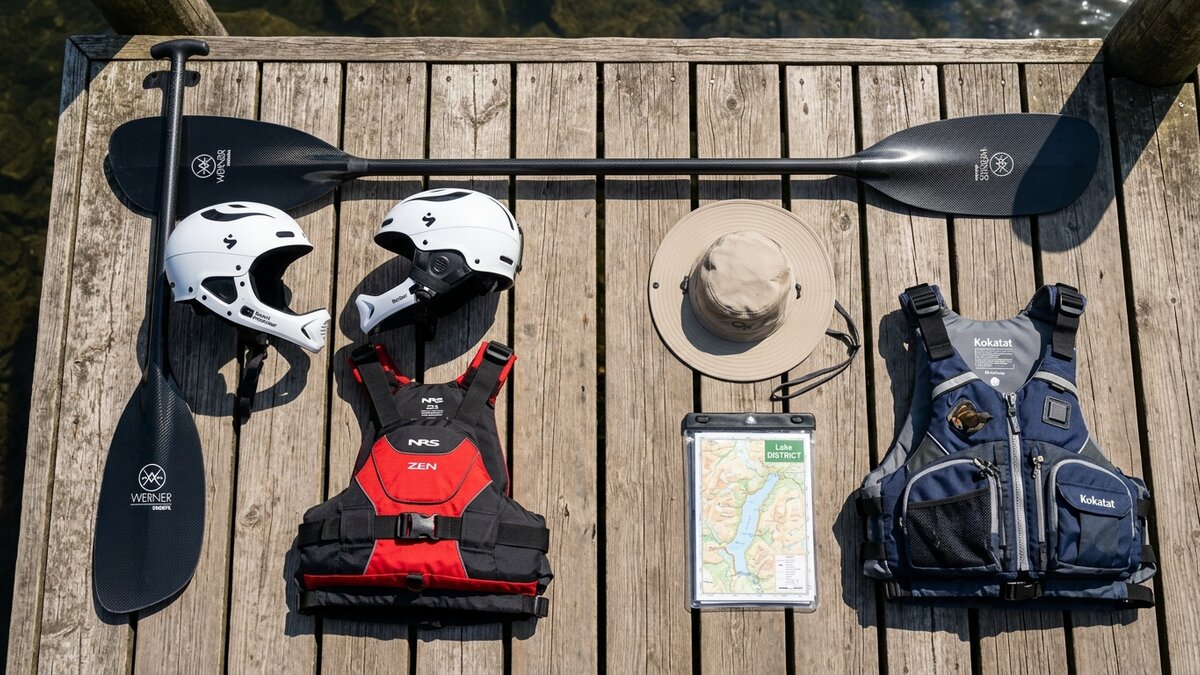
For Lough Gill, a standard touring kayak or sit-on-top is perfect. You will want a long, comfortable paddle for covering distance, a map of the lake’s islands, and a PFD with pockets for snacks and a VHF radio or phone.
Surf Setup for the Coast
For Easky, a specialized surf kayak or waveski is mandatory. You need a strong white water helmet to protect against reef impacts, a low-profile buoyancy aid that will not restrict your mobility during a roll, and a spray deck that will not pop under the weight of a crashing wave.
Local Tour Operators and Guides
If you do not have your own equipment, or if you want local knowledge to guide you safely, Sligo has excellent outfitters.
Sligo Kayak Tours run regular 3-hour guided trips on Lough Gill, launching from Waterglades beside Healy Plants Garden Centre. They provide all the necessary equipment, including stable sit-on-top kayaks, buoyancy aids, and wetsuits. If you want to rent a kayak and paddle unguided, their rental fleet operates out of sheltered Mullaghmore Bay on the coast, not on Lough Gill — confirm rental location and pricing directly with them before you travel. A guided tour is the safest and most informative way to see the ancient woodlands and islands, as the guides share local history and wildlife knowledge along the way.
Common Mistakes to Avoid
Paddling in Sligo requires respect for the environment. Avoid these common errors:
Dropping in on Surfers
Easky is a busy surf spot. Board surfers and kayakers share the same lineup. The golden rule is that the person closest to the breaking peak of the wave has priority. Dropping in on another surfer’s wave is dangerous and will quickly earn you a bad reputation in the water.
Ignoring Lake Wind Direction
Lough Gill is large. While it looks calm from a sheltered bay, the wind can funnel down the surrounding valleys and create significant chop in the center of the lake. Always check the Met Éireann Sea Area Forecast and avoid crossing large open stretches of water if the wind is blowing offshore.
What Can Go Wrong (Risks)
Every water sport carries risk, and Sligo is no different.
At Easky, the primary risk is the shallow rock reef. A mistimed roll or a heavy wipeout can result in impact injuries or damaged boats. The tidal currents can also be deceptively strong, pulling tired paddlers away from their exit point.
On Lough Gill, the main risk is sudden weather changes. The mountains surrounding the lake can trap weather systems, leading to rapid drops in temperature and sudden squalls. Always carry spare warm clothing in a dry bag and wear your buoyancy aid at all times.
Costs and Budgeting
Kayaking in Sligo is relatively affordable, whether you are renting or joining a guided tour.
If you are joining a guided tour on Lough Gill with Sligo Kayak Tours, the current rate is €40 per person for a three-hour experience that includes all gear and a guide (prices checked 2026-09-08 — confirm directly with the operator, as rates can move seasonally). Standard kayak rentals in the region range from roughly €35 for a half-day to €55 for a full day; note that Sligo Kayak Tours’ own rental fleet operates out of Mullaghmore Bay rather than Lough Gill, so confirm rental pricing and location with your chosen provider.
5 Frequently Asked Questions
1. Do I need a permit to kayak on Lough Gill?
No, you do not need a permit for non-commercial, recreational kayaking on Lough Gill. However, you must respect private property along the shoreline and follow the Leave No Trace principles when landing on islands.
2. Can I rent a surf kayak in Easky?
It is very rare to find specialized surf kayaks for rent. Most local rental fleets consist of sit-on-top touring kayaks. Surf kayakers generally own their own equipment due to the bespoke fit required for the sport.
3. Are there changing facilities at Hazelwood Forest?
No. Hazelwood Forest is a wild, natural area — Coillte’s own site listing shows a car park, picnic area and walking trails, but no toilets or changing rooms. Most local paddlers use a changing robe beside their car, or use facilities in Sligo town before heading out.
4. Is the Easkey River safe for beginners?
No, the Easkey River (which flows into the sea near the surf break) is a Grade 3 to 4 whitewater river, and the grade alone understates the risk. According to Irish Whitewater, the run includes a narrow gorge section, a “double drop” rapid with an undercut on river right, and a section that must be scouted from the bank before running. Heavy rainfall raises the water level but is not on its own a green light — water level, sightlines through overhanging trees, and stoppers all need to be checked on the day. This river should only be run by experienced paddlers in an organised group with rescue cover, scouting each section before committing.
5. What wildlife might I see on Lough Gill?
The lake and its surrounding woodlands are rich in biodiversity. Paddlers sometimes spot fallow deer near the shoreline, leaping brown trout, herons, and — less often — pine martens in the ancient oak forests.

No comments yet on this guide.
Be the first to share your experience — conditions, access, hazards, or anything a future paddler should know.
Login to join the discussion